You’ve likely felt the winter chill radiating near the glass or noticed your wood frames starting to soft-rot. Recognizing these warning signs is easy, but a quick search for solutions often reveals two very different price tags and installation methods.
Looking past the panes is essential for diagnosing what your house actually needs. Think of your window as a picture hanging in a frame. The glass is the picture, but the structural opening cut into your wall is the frame holding it securely in place.
Industry data reveals that successfully choosing new construction windows vs replacement units depends entirely on the health of that hidden wall structure. You are essentially deciding between dropping a new, smaller picture into the old frame (a quick insert) or taking the entire assembly off the wall to inspect the studs (a full-frame reset). Both paths provide excellent, energy-efficient windows, but picking the wrong method can either ignore hidden water damage or ruin your budget.
Navigating this structural dilemma is where local expertise becomes invaluable. Hagen Glass acts as your diagnostic guide, inspecting the wall surface to ensure you never fall into the trap of over-spending on a massive rebuild or under-fixing hidden rot.
The Secret Behind Your Siding: Understanding the ‘Nail Fin’ vs. ‘Block Frame’
Builders create a “Rough Opening” AKA the raw, bare-wood hole in your home’s skeletal structure. Think of this opening like a foot, and the window as the shoe; they must match perfectly to prevent drafts and leaks.
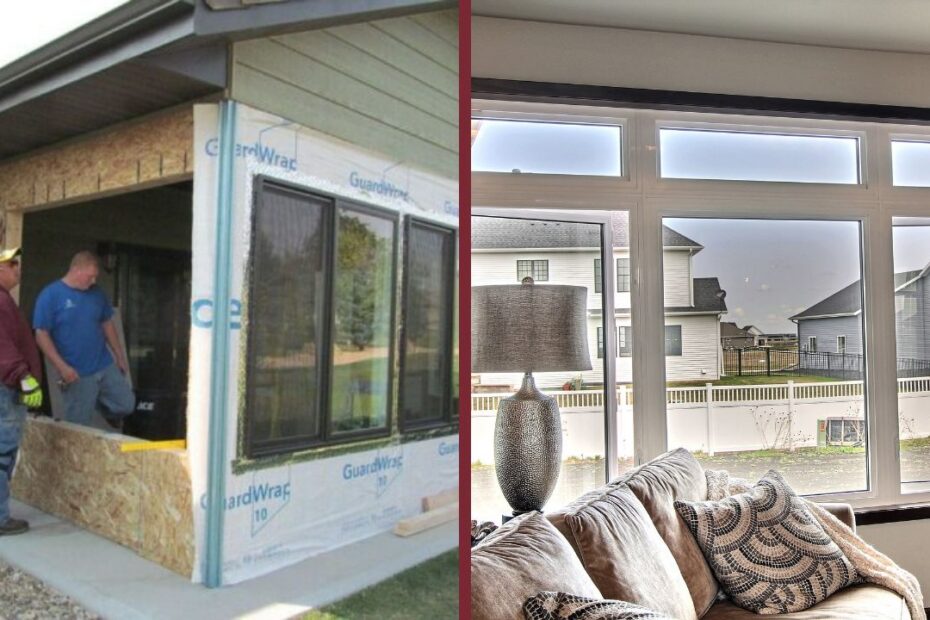
To lock a window into that raw opening, full rebuilds use a “Nail Fin.” This flat flange wraps around the window’s exterior, sitting flush against the hidden wood studs. It acts as the primary water barrier for your home, ensuring rain rolls down your siding rather than rotting your walls.
Conversely, if your original wood is healthy, Hagen Glass might recommend a “Block Frame.” This smooth-sided unit slides right into the old frame. When comparing nailing fin vs block frame windows, note the distinct attachment points:
- Nail Fins: Fasten directly to exterior wall studs (requires removing siding).
- Block Frames: Fasten sideways into the existing window frame (leaves siding untouched).
Accurate sizing using a rough opening window dimensions guide, alongside a window frame material durability comparison, ensures lasting results. Once we confirm your structural wood is sound, we can explore the faster, cleaner option: saving money without tearing down your walls.
When ‘Replacement’ Is Best: Saving Money Without Tearing Down Your Walls
Confirmed your structural wood is solid? You are the perfect candidate for an “insert” window. When weighing replacement windows vs new construction, this insert method is often the smartest choice. Instead of ripping everything down to the bare studs, our team simply slides a brand-new unit right into your existing frame.
Preserving that original framework is incredibly valuable if your home features brick, stone, or delicate stucco. Choosing full-frame window installation vs retrofit usually requires tearing into that exterior, which gets messy quickly. With an insert approach, your expensive siding remains completely untouched.
Labor hours shrink dramatically during this cleaner process. Because our crews skip the heavy demolition and exterior patching phases, the overall cost of windows drops significantly. You get a beautifully updated, draft-free room in a fraction of the time.
There is one minor compromise regarding your view. Because the new unit fits inside the old wood, you will experience a slight reduction in glass surface area. Most homeowners happily accept this trade-off once they feel the dramatic improvement in room comfort.
Unfortunately, this streamlined approach cannot cure every aging house. If your old sills are crumbling or water has seeped behind the walls, sliding a new insert over the problem just hides the damage, making a full structural reset necessary.
Signs You Need New Construction Windows: Why Rotting Frames Require a Full Reset
Sometimes, investigating a drafty room reveals a homeowner’s worst fear: spongy wood. If moisture has infiltrated your walls, a simple insert won’t cut it. You must look into replacing rotted window frames and sills entirely. This is where “new construction” windows are essential. This method removes everything down to the bare wooden studs, allowing experts to fix hidden water damage before it threatens your home’s structure.
You don’t need a contractor to spot the early signs you need new construction windows. Grab a basic tool from your garage and try this 4-step “Screwdriver Test”:
- Locate the bottom corners of your window sill where water naturally collects.
- Press the tip of a flathead screwdriver firmly against the wood.
- Check the resistance; healthy wood will block the tool completely.
- Note any sinking if the metal tip pushes in easily, the frame is compromised.
Beyond curing rot, stripping the opening to the studs offers two massive upgrades. First, it completely resets the impact of windows on home airtightness. Installers add brand-new insulation and waterproof barriers directly to the wall frame, eliminating hidden drafts. Second, starting from scratch provides your only opportunity to expand the opening if you want larger glass and better views.
Exposing those bare studs means interacting directly with the outside of your house. Because this full-reset method requires accessing nailing flanges hidden beneath your home’s outer shell, your exterior material dictates the project’s complexity and potential repair costs.
How to Choose Based on Your Siding: Avoiding Costly Exterior Repairs
Your home’s outer shell dictates exactly how much dust and money your project requires. When evaluating the “mess factor” of a full-frame installation, contractors look at siding integration which is how the new window connects to your wall. If maintaining exterior siding during window replacement is your priority, an insert is the safest bet because it leaves the wall completely untouched.
If rotting frames force a new construction approach, your exterior material changes everything. Vinyl siding is forgiving; installers simply “unzip” the panels to expose the wall and apply the flashing overlap – the crucial waterproofing tape that must sit directly behind the exterior to shed rain. Evaluating vinyl versus wood replacement window performance often highlights this difference, as rigid wood siding must be physically cut back and rebuilt.
Brick and stucco exteriors present an even bigger challenge since cutting masonry is disruptive and expensive. For these hard shells, dropping a smaller insert into the existing frame is almost always preferred. Ultimately, choosing the right window style for your home architecture means balancing these exterior aesthetic constraints with your home’s underlying structural health.
Figuring out whether your home’s outer layer needs invasive surgery shouldn’t be left to guesswork. A professional diagnosis ensures you make the right structural choice.
The Hagen Glass Consultation: How a Professional Diagnosis Saves You Thousands
Guessing what lies beneath your window frames quickly blows a renovation budget. Instead of a high-pressure sales pitch, a Hagen Glass professional window consultation diagnoses exactly what your walls need. As the Black Hills area’s go-to window repair and installation contractor, we act as navigators, providing structural solutions rather than just selling expensive glass.
Most homeowners assume off-the-shelf sizes work, but standard sizing inevitably leaves drafty gaps. Knowing exactly how to measure for replacement windows requires looking past the visible trim. Therefore, Hagen Glass custom window installation services ensure every unit fits the precise millimeter of your “rough opening” (the actual hole in the wall).
To guarantee this flawless fit, our team performs a hands-on health check before ever swinging a hammer. This vital diagnostic process includes:
- Probing the wood: Checking your existing sills for hidden rot that an insert would merely cover up.
- Testing the sashes: Evaluating how your current panels slide to pinpoint subtle house settling.
- Tracing moisture: Locating faint water stains that signal failing exterior waterproofing.
Because catching water damage early prevents a simple cosmetic fix from becoming a massive structural rebuild, this evaluation pays for itself. Equipped with these facts, you are ready for a worry-free window upgrade.
Your Five-Step Checklist for a Worry-Free Window Upgrade
“New construction” isn’t just for unbuilt houses, it is the definitive cure for hidden wall damage. By mastering the golden rule – if the frame is rotting, go full-frame – you are empowered to stop patching symptoms and finally fix the root cause.
To confidently navigate your window upgrade, use this simple action plan:
- Inspect your current wood frames for soft spots or water damage.
- Finalize your priority between maximizing glass area and maximizing cost savings.
- Compare energy efficient window glass options to lower future heating bills.
- Create a budget that accounts for both the new window and the installation method.
- Book a diagnostic consultation with the local experts at Hagen Glass.
Guessing your home’s structural needs can cost thousands in future repairs. Let Hagen Glass inspect your walls and prescribe the perfect fit, ensuring your investment delivers decades of draft-free comfort and lasting peace of mind.