Difference with Hagen Glass
Adding a projection window instantly transforms your home’s curb appeal silhouette especially with a beautiful view of the Black Hills in Rapid City, South Dakota. Yet, choosing between a bow window vs bay window isn’t just about exterior looks, it’s about matching your property’s architectural bones with a design that withstands intense prairie winds.
Real estate data reveals that architectural windows maximize property value when they authentically complement regional character. Capturing the functional, classic “West River” aesthetic means knowing whether the sharp, three-panel angles of a bay or the sweeping, multi-pane curve of a bow best fits your living space.
Mastering this choice relies on a proven decision framework tailored specifically for Black Hills homeowners. This approach ensures your glass investment perfectly frames incoming summer storms while structurally protecting your interior.
Angular Depth vs. Sweeping Curves: How to Identify the Perfect Structural Silhouette for Your Exterior
Adding a projection window instantly changes your home’s silhouette. Because these home window types extend past your exterior wall, they create a “window footprint” – the actual ground space they hover over outside. If your house borders a narrow walkway or a tight patio, this exterior depth matters just as much as the inside view.
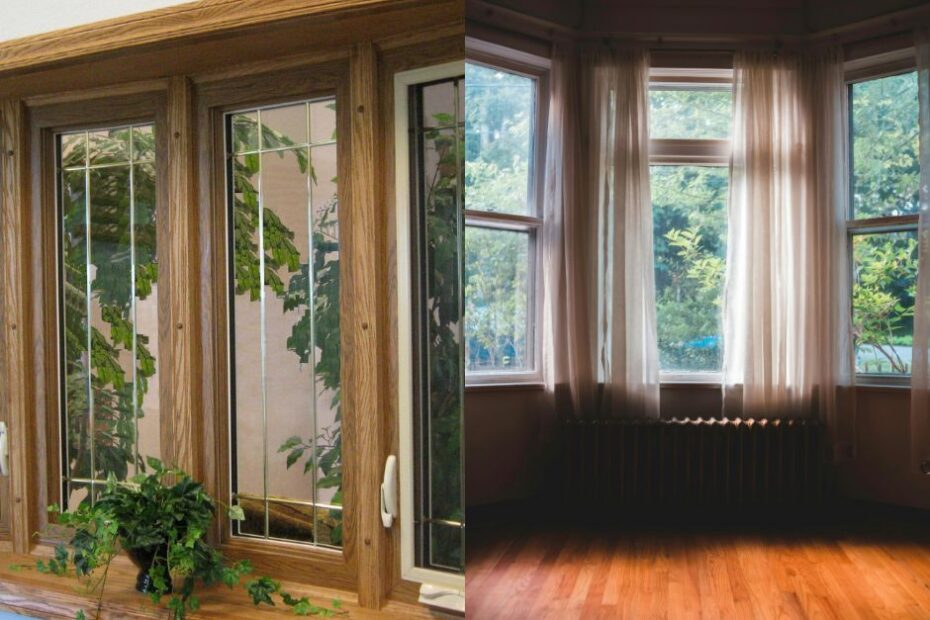
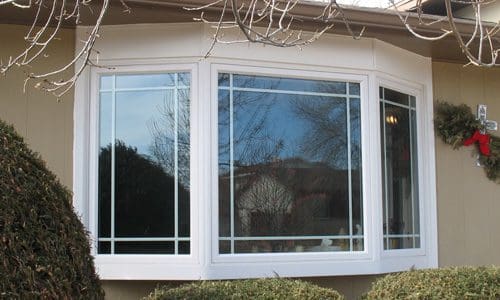
Telling a bay window vs bow apart comes down to counting panels and noting their vertical connecting beams, called mullions:
- Bay window features: These utilize exactly three panels to create sharp angles. A large center picture window is flanked by two angled side panes – often casements, which are windows that crank outward on a side hinge. This angular structure results in a very deep exterior protrusion.
- Bow windows: These use four to six equal-sized panels. Instead of sharp corners, the mullions angle slightly to form a gentle, sweeping curve with a much shallower footprint.

Matching a window style to your exterior footprint directly dictates how much new interior square footage you can capture.
Creating Interior Real Estate: Transforming Your Living Room with a Reading Nook or a Panoramic Wall
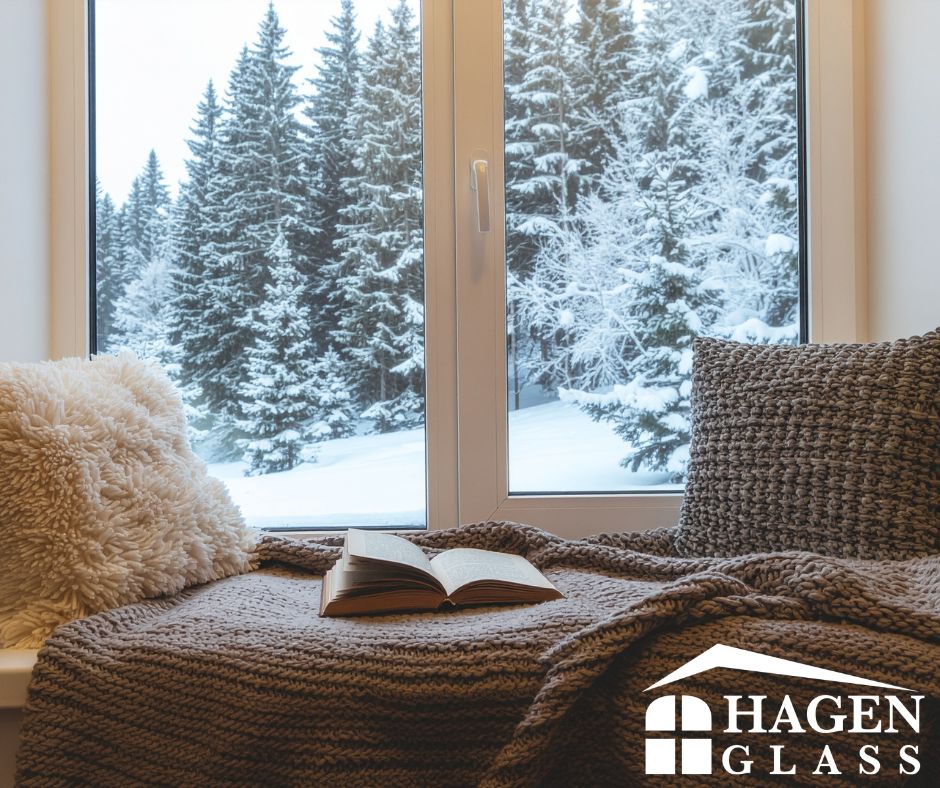
Stepping inside, that exterior projection translates directly into usable square footage. A bay window’s deep, angular pocket creates a literal alcove in your living room. This captured space is perfect for exploring bay window seat design ideas, giving you a cozy spot to watch summer storms roll in over the Black Hills.
To maximize this new footprint, consider integrating these practical additions into your floor plan:
- Integrated Seating: Add a reinforced bench and plush cushions to create a dedicated reading nook.
- Hidden Storage: Install pull-out drawers underneath the bench to stow heavy winter blankets.
- Custom Shelving: Flank the angled side panes with built-in bookshelves to frame the outdoor view.
Conversely, bow window benefits focus on visual expansion rather than physical floor space. The sweeping curve acts as a panoramic wall of glass, seamlessly wrapping around corners and maximizing natural light from multiple angles. While expanding your floor plan or maximizing natural light transforms your living space, these massive installations must also stand up to brutal local weather.
Surviving a South Dakota Winter: Why Energy-Efficient Glazing and Proper Sealing Outweigh Aesthetics
When sub-zero gusts whip off the plains, a projecting window acts like a sail catching the cold. This makes wind resistance and precise installation critical. Because a bow window uses four to six panels, it naturally creates more “seal points”, the joints where glass meets the frame, than a three-panel bay. Every extra joint is a potential draft, meaning the quality of the weatherstripping dictates your winter comfort more than the view itself.
To ensure your investment retains heat, energy efficient bow windows for cold climates require specific thermal defenses. When reviewing estimates, prioritize this checklist:
- High R-value requirements: R-value measures how well materials resist heat loss. Higher numbers guarantee better insulation against freezing nights.
- Low-E glass for Rapid City winters: Low-Emissivity glazing is a microscopic metallic coating that reflects furnace heat back indoors while blocking intense, damaging UV rays during our sunny summers.
- Triple-Pane Glass: Adding a third glass pane creates two pockets of insulating argon gas, a highly recommended upgrade for protruding window styles.
With this energy baseline established, the structural focus shifts to matching these specific window profiles with your home’s original architectural design.
Architectural Harmony: Matching Window Projections to Victorian Gables or Mid-Century Ranches
Driving down West Boulevard, you’ll notice how a window’s shape either flatters or fights a home’s original silhouette. The structural differences between bow and bay windows dictate exactly where they visually belong.
To achieve perfect curb appeal, consider this local matching guide:
- Victorian vs modern architecture: A bay window’s sharp, three-panel angles perfectly echo the steep, historic gables found downtown.
- Mid-Century Ranches: A sweeping bow window beautifully softens the long, horizontal rooflines typical in West Rapid neighborhoods.
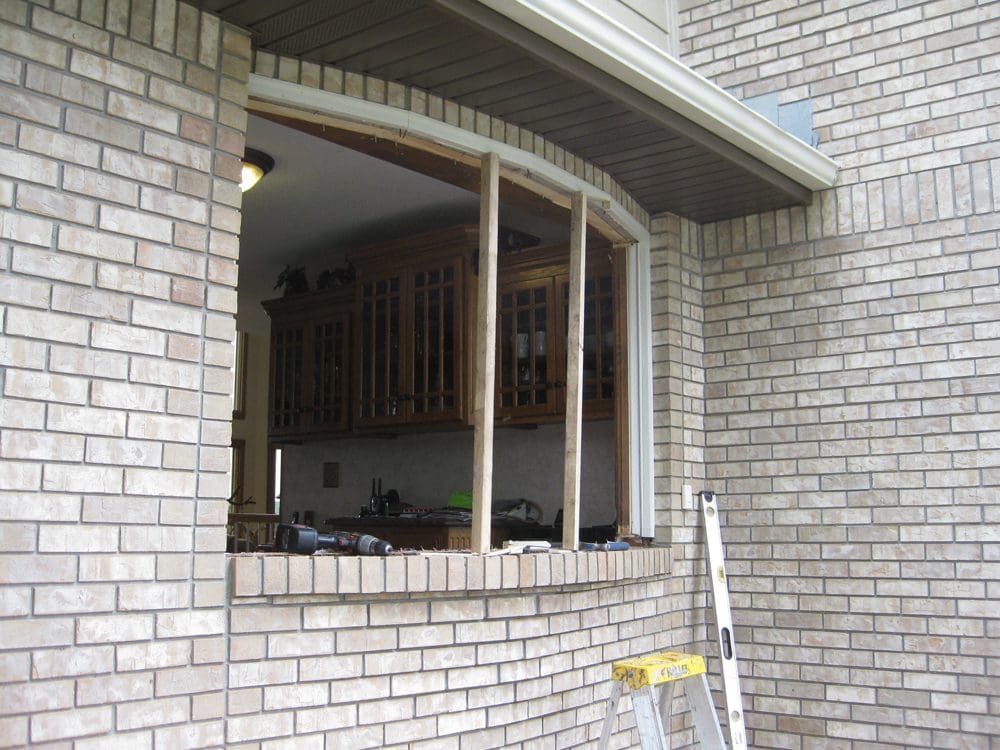
Beyond exterior charm, extending glass past your foundation requires heavy reinforcement. Because they lack ground support, installers must upgrade structural headers above the frame and address a common design question: do bow windows require a soffit or roof? Usually, they tuck neatly underneath your home’s existing soffit – the exposed underside of the roof overhang. However, heavier projection designs rely on hidden cable support systems or exterior brackets to prevent sagging. These heavy framing requirements directly influence overall installation costs.
The Bottom Line for Rapid City Homeowners: Comparing Installation Costs and Long-Term Property Value
Upgrading your home’s exterior is a serious financial commitment, making the bow window vs bay window cost a vital deciding factor. Because they require four to six custom glass panels instead of three, bow windows typically carry a 15 to 25 percent price increase over standard bay designs.
That initial cost comparison only tells part of the story, as structural adjustments heavily influence your final budget. If your chosen projection doesn’t tuck perfectly under your existing roofline, you must account for custom roofing or soffit framing to seal out heavy South Dakota snowfall.
Fortunately, this upfront investment yields a strong resale ROI by dramatically increasing curb appeal in the Black Hills real estate market. Buyers consistently pay premiums for expanded living space and panoramic views, proving these structural upgrades are highly beneficial for long-term property value.
Your 4-Step Action Plan for a Successful Window Transformation in the Black Hills
When choosing architectural windows, particularly before installing heavy glass units in older Rapid City homes, structural preparation is essential. Follow this checklist to ensure a successful upgrade:
- Trust our expert team: The Hagen Glass team can take care of all the measurements needed to provide you with new windows to upgrade your home.
- Match style to your roofline: Choose angles that complement your home’s existing architecture.
- Spec triple-pane glass: Demand high-efficiency glazing to combat extreme seasonal temperature shifts.
- Request a FREE estimate from Hagen Glass: Our local crew understands the necessary structural header reinforcements.